York Transport Plans: What Residents Should Watch Next
How to distinguish York’s agreed transport strategy from consultations, spending commitments and changes to everyday journeys.
Published
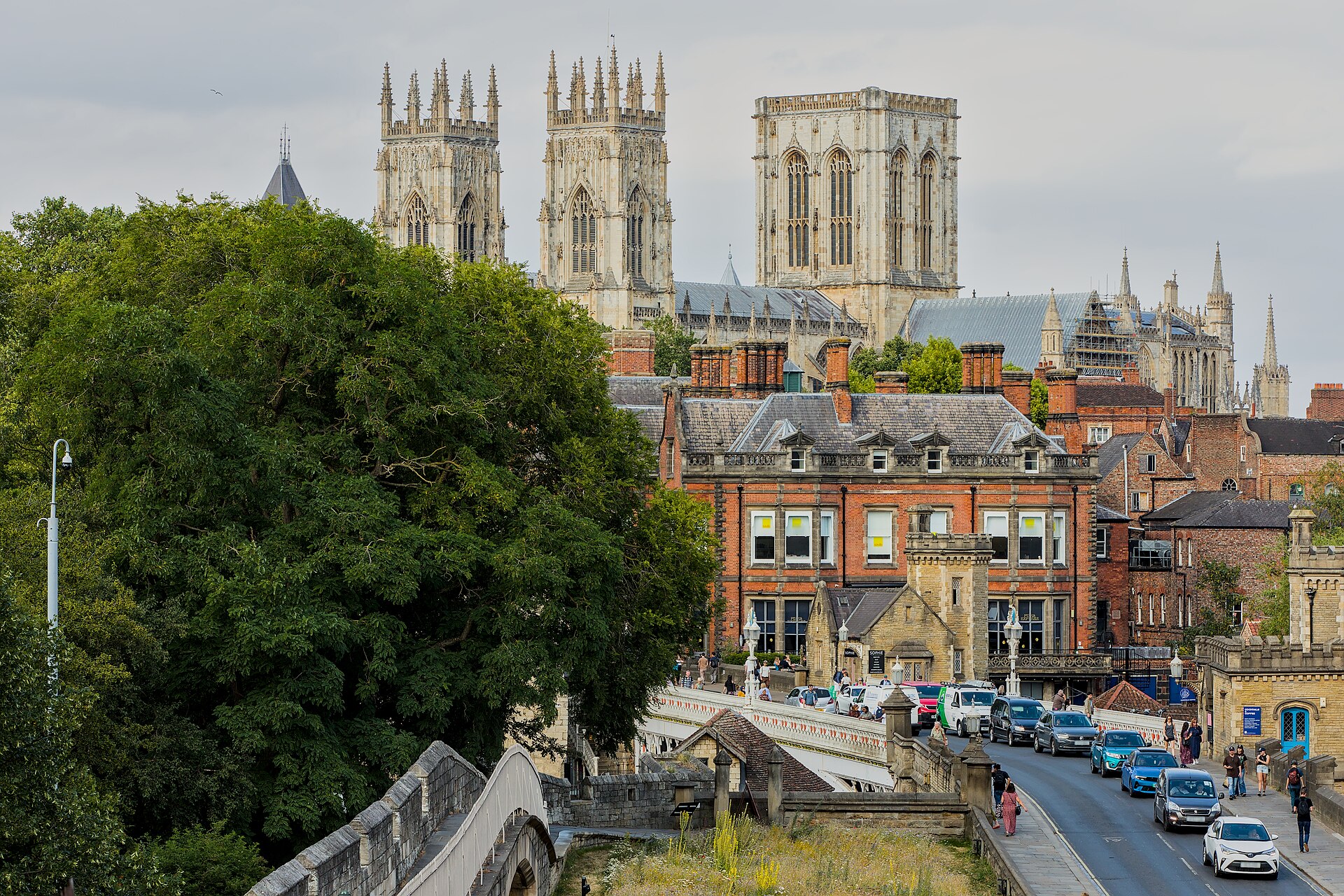

York’s transport plans contain several layers of decisions. City of York Council, the local authority, records that Executive members agreed its Local Transport Strategy on 18 July 2024, with the strategy shaping travel networks until 2040. An Implementation Plan was also agreed in 2024. Those decisions establish a framework against which residents can assess individual proposals.[1]
As at 20 October 2026, the useful distinction when reading that framework is between consultation, agreed policy, a funded scheme and an operating service. Each answers a different question about what will happen to your journey. The Movement and Place Plan is particularly relevant because the strategy assigns it the task of balancing travel through York’s streets with the activities taking place along them.[1]
What York Has Already Agreed
Our Big Transport Conversation, the council’s transport consultation held in late 2023 and early 2024, helped inform the Local Transport Strategy. The council records the strategy’s subsequent agreement in July 2024. Responses to that consultation belong to the history of how the policy developed, while the agreed strategy provides the direction for later decisions.[1]
The Implementation Plan has a separate role: guiding delivery of the strategy’s policies. When reading a proposal for a particular street or bus improvement, look for the connection between those broad policies and the specific work being proposed. Agreement on a strategy alone gives you no opening date for a service or completion date for roadworks.[1]
What the Movement and Place Plan Is Meant to Decide
The strategy describes a Movement and Place Plan that would reallocate road space across connected networks for walking, wheeling, cycling, public transport, cars and freight. Its intended reach includes residents, businesses and visitors, journeys into and out of York, and the city’s relationship with the wider region. Reading it solely as a city-centre traffic initiative would miss that scope.[1]
“Movement” concerns streets as travel corridors. “Place” concerns streets where people live, shop, attend school and spend leisure time. The council says the plan will balance these functions, make active travel more attractive and improve bus reliability. It also identifies traffic modelling as a tool for minimising congestion.[1]
For a proposal affecting your neighbourhood, ask how those purposes translate into its design. Does it explain the effect on bus journeys and walking connections? How does it account for freight and access to businesses? What happens to people travelling through the area compared with those using the street itself? These questions follow directly from the competing functions the council has given the plan.[1]
The strategy page describes developing the Movement and Place Plan in future tense. That wording explains its intended function. Establishing the position of an individual proposal requires its own decision and delivery information, especially before you change a regular journey around an anticipated improvement.[1]
Four Stages That Mean Different Things
Use the following distinctions when reading transport announcements. York’s strategy page separates earlier consultation, agreement of the strategy and an Implementation Plan. The council’s wider Council Plan also distinguishes its priorities from reports on progress and achievements.[1][2]
| Stage | What Residents Should Look For | What Remains to Be Established |
|---|---|---|
| Consultation | The proposal being discussed, its scope and the opportunity to respond. | Which option will be chosen and whether it will proceed. |
| Agreed policy | The recorded decision and the objectives it establishes. | The design, funding and timing of individual changes. |
| Funded scheme | An identified budget tied to defined work, with delivery conditions explained. | When construction or implementation will finish and when people can use it. |
| Operating service or completed change | A confirmed start or completion announcement and practical information for users. | Whether the change achieves its promised results over time. |
Where to Look for Meaningful Progress
York’s strategy page identifies five areas where the council is examining how people use spaces and move around: the city centre, Bishopthorpe Road, Heworth, Micklegate and The Groves. For residents in those areas, an explanation of what the observations show would help connect broad policy with local decisions. Being named as a monitoring area does not establish that a particular intervention has been chosen.[1]
The council also says further consultations will support specific issues or outcomes. When one appears, read the question closely. A consultation about a street design gives residents a different decision to consider from a consultation about the city’s overall transport direction. Focus your response on the choices actually being offered and the journeys affected.[1]
The Council Plan supplies another useful test through its four core commitments: equalities and human rights, affordability, climate, and health. Applied to transport, these invite questions about who benefits, who faces additional costs and how a proposal affects access. An improvement in movement through a street may still leave a difficult question about using the places along it.[1][2]
The council says it produces annual and quarterly progress reports. When the next proposal affecting your route appears, read its decision and delivery details alongside those reports. Look for the point where an ambition acquires a defined commitment, then for practical confirmation of when you can use the change.[1][2]
Sources and checks
These sources were used for this article. Availability, prices and service details can change after the stated check date.
- Local Transport Strategy – City of York Council
Checked 20 October 2026.
Executive members agreed the Local Transport Strategy on 18 July 2024, and it concerns travel networks until 2040. An Implementation Plan was agreed in 2024 to guide delivery of the strategy’s policies. Our Big Transport Conversation took place in late 2023 and early 2024 and informed the strategy. The strategy describes developing a Movement and Place Plan to reallocate road space across transport networks and balance streets’ movement and place functions. The intended plan covers residents, businesses, visitors, freight and journeys crossing York’s boundary, and refers to traffic modelling. The council identifies the city centre, Bishopthorpe Road, Heworth, Micklegate and The Groves as monitoring areas. The council says it will run further consultations on specific issues or outcomes. The article’s stage comparison and questions for residents are editorial guidance based on the distinction between consultation, strategy and implementation.
- Council Plan – City of York Council
Checked 20 October 2026.
The Council Plan identifies equalities and human rights, affordability, climate, and health as its four core commitments. The council describes those commitments as tests informing decisions and delivery. The council says it produces annual and quarterly reports on performance, progress and achievements. The article applies the Council Plan’s commitments as questions residents can ask about transport proposals.